Claude Opus 5 vs GPT-5.6 Sol vs Fable 5 vs Kimi K3: Which AI Model Should You Pick in 2026?
Pricing, context, coding, agents and availability: compare Claude Opus 5, GPT-5.6 Sol, Fable 5 and Kimi K3 to pick the right AI model.

Pricing, context, coding, agents and availability: compare Claude Opus 5, GPT-5.6 Sol, Fable 5 and Kimi K3 to pick the right AI model.

Moonshot AI unveiled Kimi K3 on 16 July 2026: 2.8 trillion parameters, a one million token context, native multimodality. A look at the MoE architecture, Kimi Delta Attention, the published benchmarks and the model’s real limits.

Update July 2026: since this comparison was published, Claude Opus 5, GPT-5.6 Sol and Kimi K3 have arrived. For the latest matchup, read our Claude Opus 5 vs GPT-5.6 Sol vs Fable 5 vs Kimi K3 comparison. GPT-5.5 vs Gemini 3.5 vs Fable 5: The 2026 Comparison TL;DR: there is no longer a single best […]

Claude Opus 4.8, GPT-5.5, Gemini 3.1 Pro, Sonnet 4.6, Flash and budget models compared on coding, reasoning, cost and business use cases for 2026.

RPA has been the star of enterprise automation for the past decade. Its principle is simple: reproduce human actions in software: “Click here. Copy a piece of data. Paste it into another tool. Download a file. Fill out a form. Send an email.” Technically, an RPA bot works by observing or reproducing a sequence of […]

For the past two years, the AI debate has often felt like a one-way conversation. On one side, LLMs take up all the space. On the other, a few researchers keep reminding us that aligning billions of tokens may not be enough to build a machine that truly understands the world. Yann LeCun is one […]

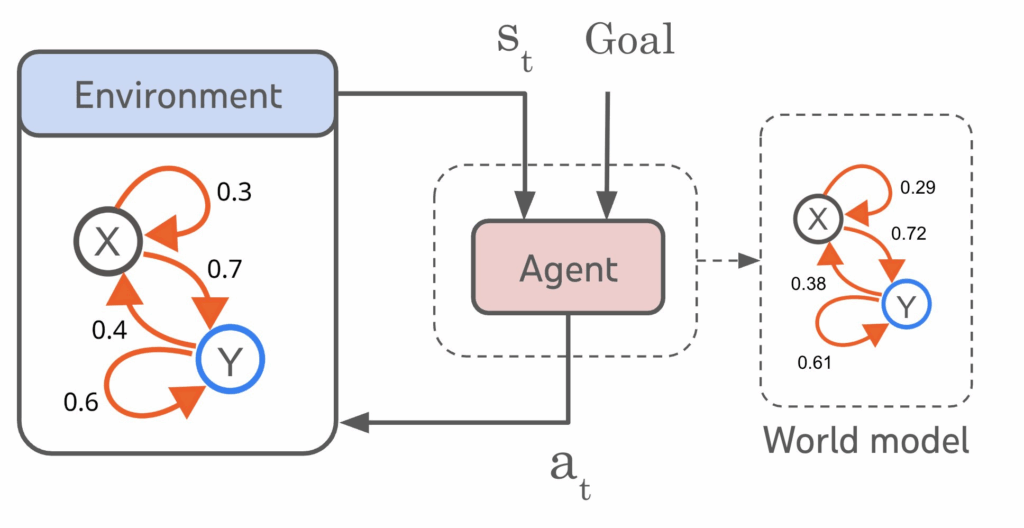
World models aim to build AI that can “imagine” the future so it can make better decisions. Up to now, a lot of people have been trying to pit world models against LLMs. Wayve, with GAIA-1, takes a different path, and it’s a pretty bold one. They push the concept in a very “LLM-compatible” direction: […]

When you want to integrate generative AI into a product, three options come up often: RAG, fine-tuning, and SLMs (Small Language Models). In practice, these are three different levers: one brings the right context into the prompt, another shapes the model’s behavior, and the third changes the economics and deployment. Understanding the 3 approaches RAG […]

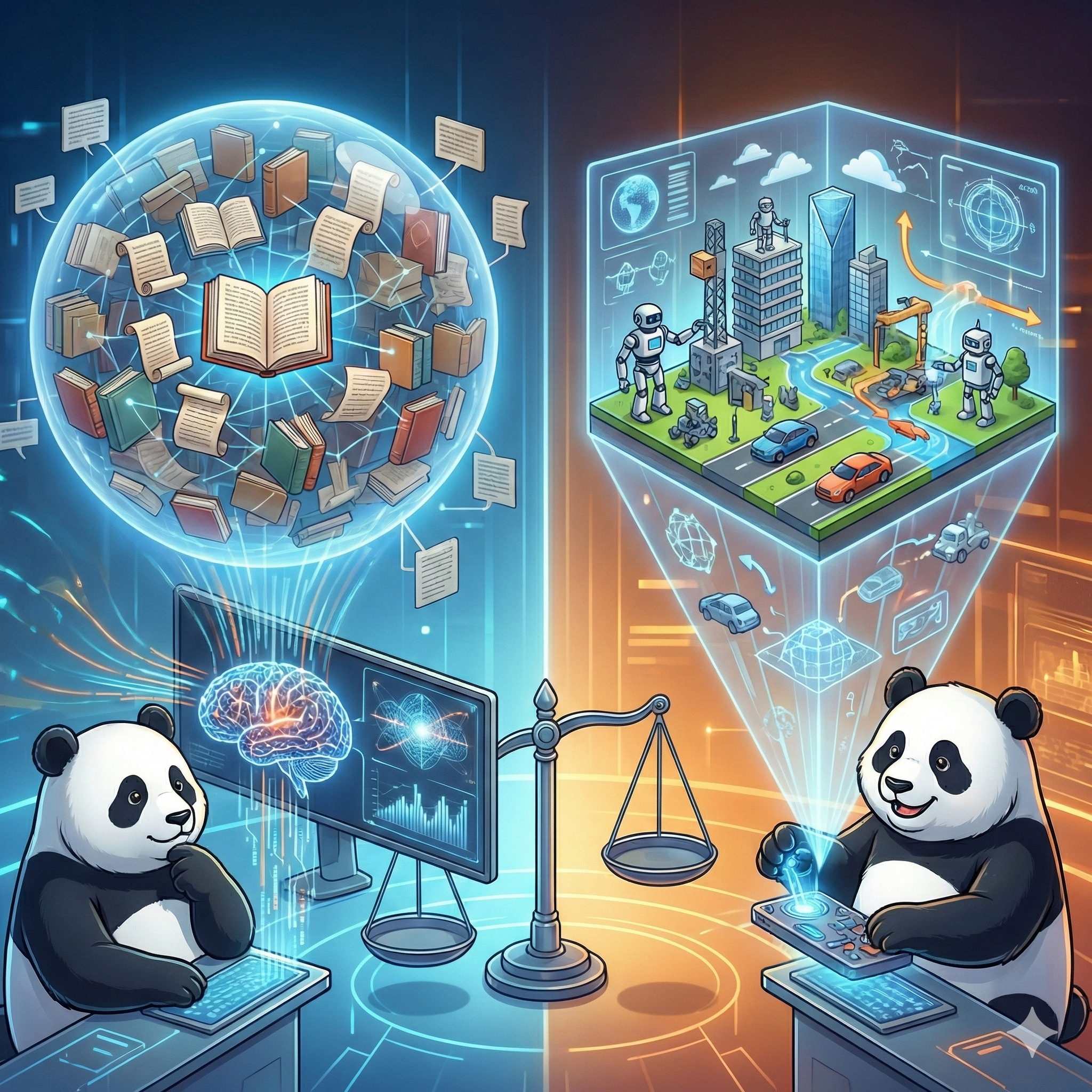
Two big families dominate the conversation around “AI that understands the world”: So, “which one is best?” doesn’t have a single answer. What is a world model? A world model is an AI model that learns an internal representation of how an environment evolves, so it can predict the consequences of an action, simulate scenarios, […]

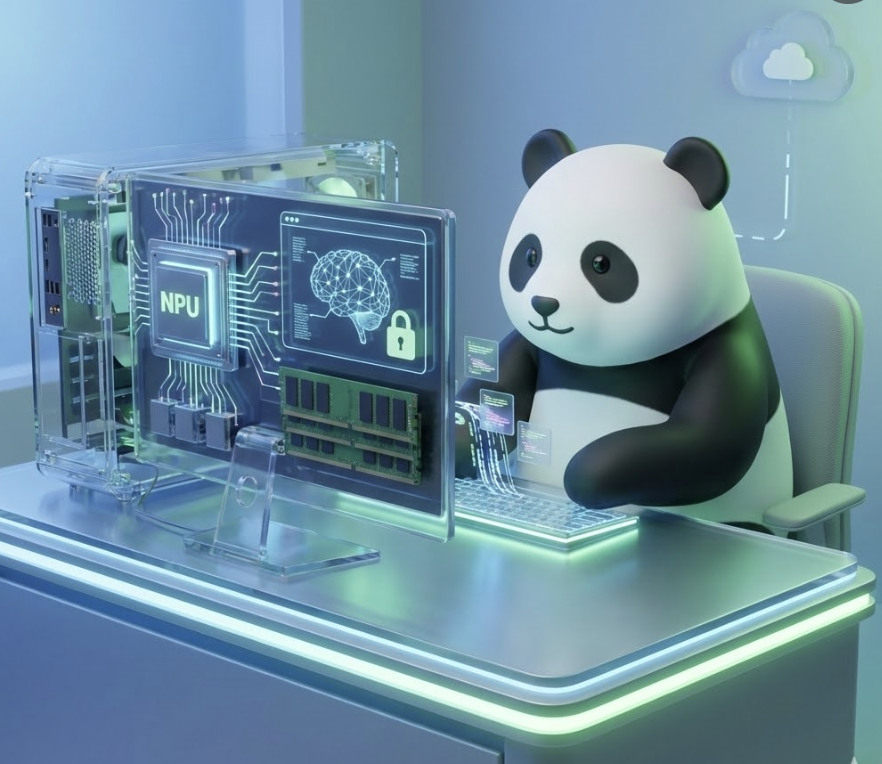
For years, “doing AI” basically meant “sending data to a server” (Microsoft, Google, OpenAI, and others). It made sense: models were huge, GPUs were expensive, and latency was acceptable. But that’s changing. Hardware has caught up with software, and not only through GPUs. NPUs (Neural Processing Units) are becoming common in PCs and smartphones, designed […]

The Current AI Horizon and Its Limitations Since 2022, AI has become an accessible conversational partner for everyone, changing how we interact with technology. Large Language Models (LLMs) have been at the heart of this transformation, making natural language an unprecedentedly simple user interface. However, this advance is just a starting point. One of their […]

The AI Landscape Before the LLM Revolution Before 2022, artificial intelligence was already part of our daily lives, but more subtly. It manifested through recommendation algorithms on apps like Instagram and Amazon, or in translation tools like DeepL. These systems worked very well but were specialized: each AI was designed for a single specific task, […]
Cookies
We use analytics cookies to understand how the site is used. Nothing is stored on your device without your consent. Privacy policy